MONITOR HIV & TB RESPONSE
Over the past 25 years, South Africa’s HIV response has come a long way – from the dark days of AIDS denialism under then President Thabo Mbeki, to the establishment of the world’s largest HIV treatment programme. However, this only reflects half of the story. Today nearly 2 million people are still not on lifesaving ARVs – some people not knowing their HIV status, others knowing their HIV status but not having started treatment, and worryingly many many people having started on treatment and then stopped. Why? Because our HIV response is being undermined by the dysfunction in our health system. Our clinics are still in crisis.
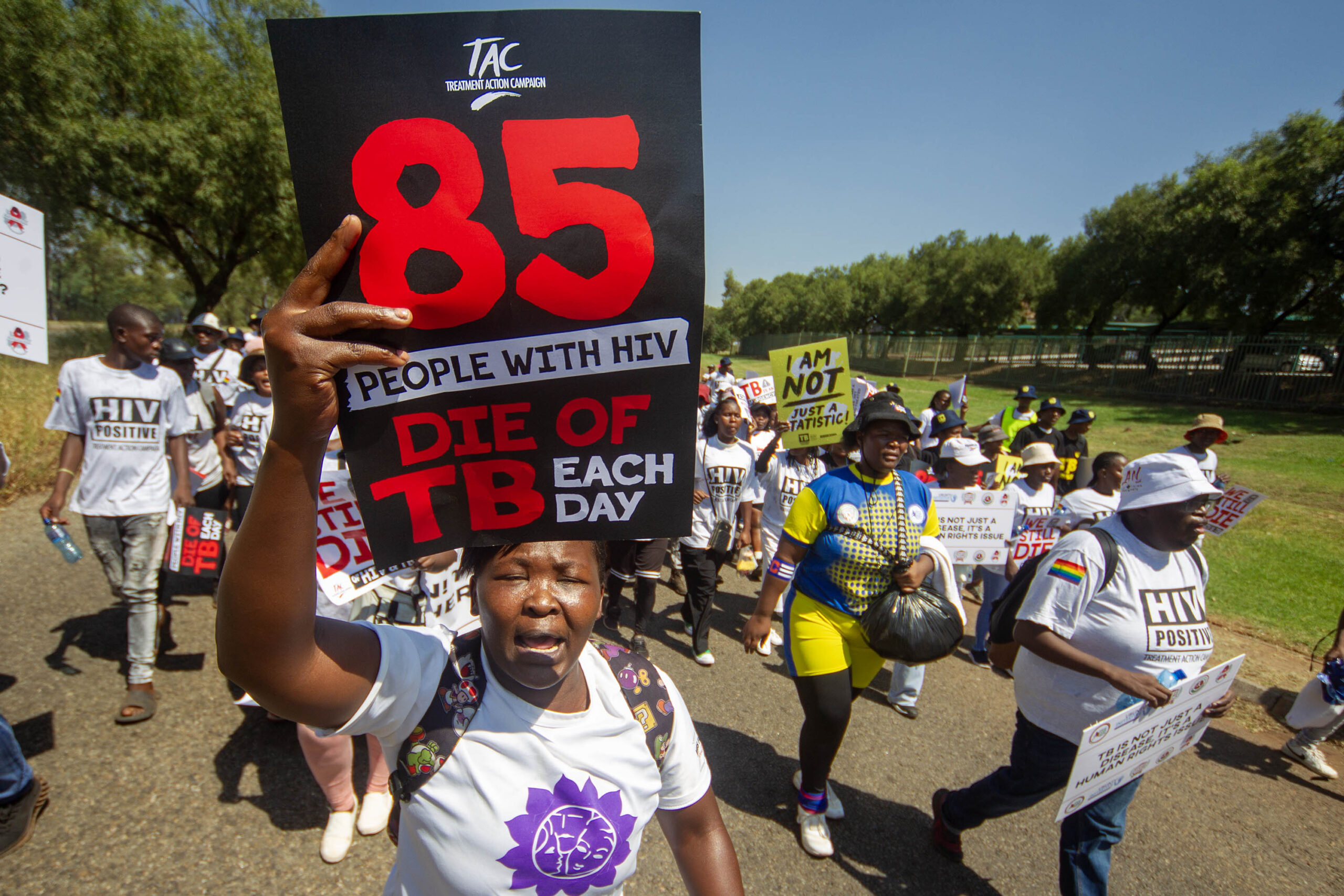
The TB response lags further behind. Despite being treatable, TB remains a significant public health threat – it is South Africa’s biggest killer, with more than 54,000 people dying annually – 31,000 of them people living with HIV – and an estimated 280,000 getting TB each year.
Today we are once again at a critical moment in the HIV and TB response. Funding is woefully inadequate, and getting worse as global donors turn their back on these struggles. TAC continues to monitor the HIV and TB response in South Africa to hold duty bearers accountable to provide quality HIV and TB prevention, treatment, and support. We demand evidence based policies that benefit people living with HIV and TB – and we demand quality public healthcare services in our clinics, the frontline of the HIV and TB response.
An injury to one is an injury to all!
“Whenever I go to the clinic, they would always ask “why do I do my job, why do I sell my body, isn’t there any other job I can do besides selling my body?” I have even decided not to go to the clinic anymore because of the treatment that I get there. Anytime I went to the clinic, I always came back heartbroken because of the way I was treated”
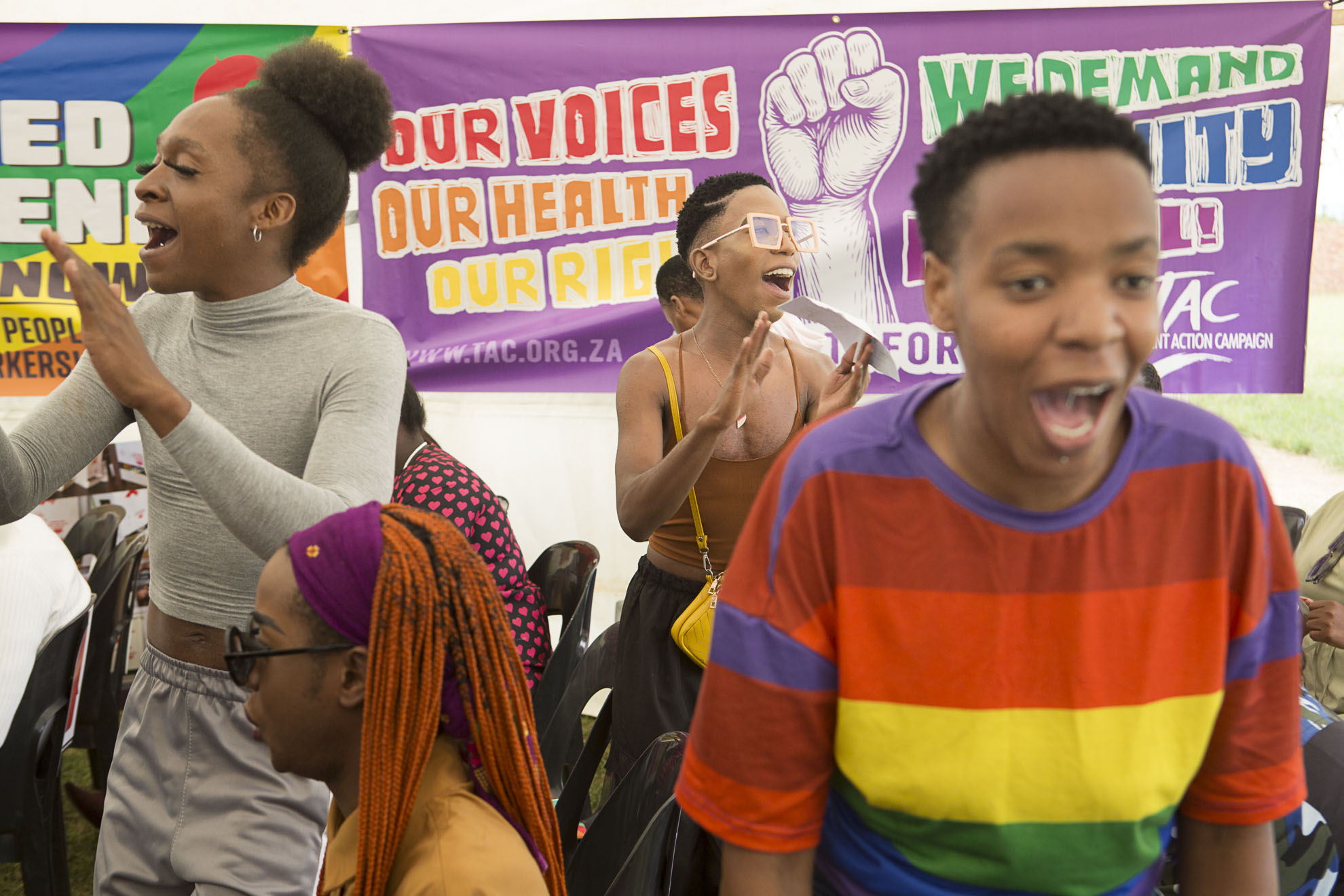
Going to the clinic can be a traumatic experience for people who use drugs, sex workers, & people from the LGBTQIA+ community. Too often staff are rude and discriminatory, be it at the clinic gate, in waiting areas, or even during medical consultations. Disgraceful privacy violations continue to occur that destroy people’s right to privacy and make clinics feel unsafe and uncomfortable to be in. Where this has become unbearable, some people have stopped going to the facility altogether.
Where key populations do continue to suffer the daily indignities of using the public health system, specific services – including condoms, lubricants, PrEP, PEP, gender affirming care, harm reduction services – remain unavailable, or are not offered or denied to members of key populations.
It is morally unacceptable and a violation of constitutional rights that people who use drugs, sex workers, and LGBTQIA+ communities are disrespected, humiliated, and dehumanised at public health facilities, and not offered appropriate and quality services.
In 2021, to better document this crisis, Ritshidze began carrying out an annual survey among people who use drugs, sex workers, and queer and trans people. More than 50,000 people have been surveyed to date. The results of the data are documented in annual State of Healthcare for Key Populations reports available here, that have been put to duty bearers for urgent action.
“The nurse came out and said, “Magosha, why are you late? I cried and she continued stigmatising me… I waited until they closed. I ended up not getting my ARVs. I don’t want to go back to a public health facility”
“I am scared to go to the clinic. I would rather die than go”
“The nurse gave me my pills in front of everyone and said “we are really tired of you, who knows maybe you are smoking these pills. Why can’t you just die because you’ve already killed yourself with drugs. You don’t even bathe and don’t like yourself”. I was offended as everyone was staring at me, some were blocking their noses while others were taking pictures”
ARV collection
Waiting all day at the clinic is a frustrating reality for people living with HIV. Yet a simple solution exists — for people who are collecting ARVs to simply get a longer supply of medication. Not only would “multi-month dispensing” mean fewer trips back to the clinic — making medicine collection easier for people living with HIV — but it would also reduce the burden on congested and overstretched facilities. Yet South Africa is far behind in extending ART refills compared to other countries. TAC supports 12 monthly prescriptions and the rapid rollout of 3- and then 6-month supply of ARVs to reduce unnecessary burdens on people living with HIV and the health system.
In addition to longer ARV refills, another strategy to reduce waiting times is to allow people living with HIV to collect their treatment at pick-up points either at the facility or externally in the community. Yet many people using facility pick-up points tell us that they must still collect files, take vitals, and see a clinician before getting their parcel — adding unnecessary delays, many people have never even been offered the option to collect from a pick-up point, and others still wish they could collect their ARVs closer to home.
Declare TB a public health emergency
TB remains the leading cause of illness and death among people living with HIV, especially people with advanced HIV and those who are not yet taking ART. Although treatable, deaths remain high partly due to delayed diagnosis and treatment — often because symptoms of TB are regularly overlooked by healthcare workers, and the opportunity for early TB diagnosis and treatment is missed.
In response to this, TAC demanded that TB be declared a “Public Health Emergency” in the country leading to the rollout of the TB recovery plan. TAC will continue to monitor the implementation of the TB recovery plan to ensure that TB services are actually improved for communities. TAC will use community-led monitoring data in order to assess these improvements at facilities and to hold duty bearers accountable for improvements.
End Gender Based Violence NOW!
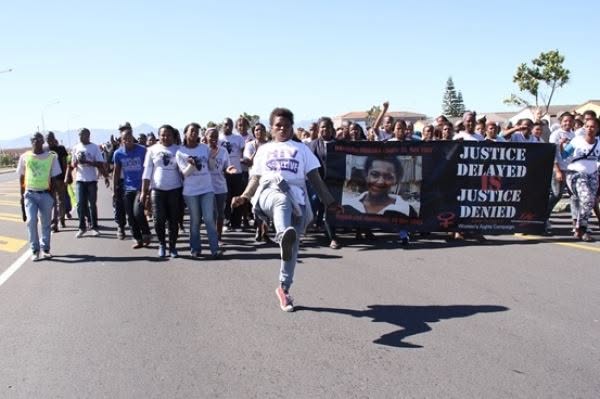
Nearly 30 years after the onset of democracy, women and LGBTQIA+ community members in South Africa continue to face disturbing levels of oppression, violence, and injustice – be it in the streets, in the workplace, travelling in taxis, or in our homes. The South African Constitution guarantees equality and freedom for all regardless of sex, gender, or sexual orientation, however these guarantees remain only on paper. Across the country reports of murder, rape (including spousal rape and the so called ‘corrective rape’ of queer women), harassment, domestic violence, and sexual violence are worryingly prevalent.
Women and LGBTQIA+ community members must be treated with equality, dignity, and respect, as outlined in the Constitution. As men, cisgender, and heterosexual people we will constantly interrogate our own actions and privileges to understand how we contribute to the oppression of women and LGBTQIA+ people. We will not remain silent when we see sexism, homophobia, and transphobia. We refuse to hide behind our cultures and traditions.
Obstetric violence is another form of gender based violence perpetrated against people capable of pregnancy. Ambulances can take hours to come, or never arrive to take people with pregnancy complications to hospital. There have been reports of people giving birth on the side of the road. When people arrive at hospital they can face other forms of abuse or humiliation. People can be left for hours unattended, or have to give birth on the floors of hospitals when no beds have been available. Invasive medical procedures take place without consent, that can leave people in pain long after they have given birth. There have even been reports of people being unknowingly sterilised. Obstetric violence is a violence of people’s Constitutionally mandated reproductive health rights.
Staying on HIV treatment
Once on treatment, it is important to recognise that people living with HIV live dynamic lives, may be late for and/or miss appointments, and may even miss taking some pills. When they do, the public health system should meet them with support when they return to the clinic. But often, when people living with HIV return to the clinic they are treated badly. Others who move to a new place or relocate for work, can be denied ARVs because they do not have a transfer letter — something that is not required by ART guidelines to start/restart ARVs.
TAC believes that all people living with HIV starting or restarting treatment should be treated with dignity and respect. People returning to care should be treated with compassion to ensure that they can restart treatment easily, without being shouted at or sent to the back of the queue. TAC is pushing for the proper implementation of the National Department of Health’s adherence guidelines. TAC is monitoring and exposing cases where people are sent away empty handed for not having a transfer letter.
TB infection control
In South Africa around 300,000 people daevelop tuberculosis every year and about 56,000 people die. Yet TB infection control in our public health facilities remains inadequate. For years we have been calling for certain measures to be adopted for TB infection control, only to see key measures made quickly possible during the COVID-19 pandemic. If we are able to educate people about COVID-19 infection control, to ensure the use of masks in clinics, to screen people for COVID-19 symptoms on arrival, to ensure the provision of COVID-19 posters in all South African languages, then these things must be possible for TB as well.
TAC believes that all public health facilities should follow a checklist of basic steps to ensure adequate TB infection control measures are in place. We will continue to monitor to ensure this is happening through Ritshidze, and expose and take action where not.
The People’s COP
PEPFAR funding still constitutes nearly a quarter of AIDS funding in South Africa. It is critical for people living with HIV and key populations that this funding is used optimally and with the best possible impact. The HIV response in South Africa stands on a precipice. South Africa has achieved a great deal. But the health system on which the response is built is crumbling and future scale-up and progress are very much under threat. We cannot see the end of AIDS without a significant shift in how money for health in the country is invested. PEPFAR is a key part of that.
TAC continues to lobby PEPFAR to re-think, re-prioritise, and re- imagine the role their funding can play in this country through leading the development of the “People’s COP”. Using Ritshidze data, the “People’s COP” outlines the challenges and the key community recommendations to PEPFAR. This data, together with community members’ stories, show the reality of using the public healthcare system and trying to access HIV and TB services.
You can find all “People’s COP” documents here.
We Still Die of AIDS & TB!
AIDS – or advanced HIV disease (AHD) – means that a person’s CD4 count has fallen below 200 and they are more at risk of getting other illnesses. In South Africa almost a third of people living with HIV start treatment with a low CD4 count. The lower the CD4 count, the more at risk people are to get other illnesses and possibly die.
AHD is a major challenge for people starting treatment late, or restarting treatment after an interruption. A large proportion of people who die from AIDS sought care at our public health facilities – either at hospitals or at clinics – but healthcare workers failed to make a diagnosis. Many remain hidden deaths with no-one held accountable. Easier and quicker diagnosis and treatment needs to urgently be made available.
TB in particular remains the leading cause of illness and death among people living with HIV, especially people with AHD and those who are not yet taking ART. Although treatable, deaths remain high partly due to delayed diagnosis and treatment – often because symptoms of TB are regularly overlooked by healthcare workers, and the opportunity for early TB diagnosis and treatment is missed. Failure to quickly inform someone they have TB or cryptococcal meningitis, and get them started on treatment, cannot continue.
While South Africa has adopted a number of medical interventions to address AHD and TB, such as CrAg screening, TB LAM testing, and the roll out of TB preventive therapy, much more can be done to diagnose and treat the people who present with AHD, half of whom are missed with clinical staging/symptom screening alone as they enter care or re-engage.
TB infection control must also be improved to prevent the spread of TB at our clinics and hospitals. By following a simple checklist of good practice – including key measures that were successfully implemented during COVID-19 – facilities can be safer for public healthcare users and staff.
Since 2017, TAC has implemented an annual survey and traffic light system scorecard to rate clinics on how good their TB infection control is. It cannot be that our clinics are places where we can get TB.
All Monitoring the HIV & TB Response News