CAMPAIGN FOR ACCESS TO MEDICINES

In the early 2000s TAC was part of a remarkably effective global movement to radically reduce the prices of key HIV treatments. However, while the battle for HIV treatment was won in South Africa – the wider war for access to medicines has been lost. Today, new generation antiretrovirals and long acting injectables, as well as new medicines to treat cryptococcal meningitis, hepatitis C, drug-resistant TB, and many cancers are unaffordable and out of reach for large numbers of people.

“We lost thousands of comrades and friends because they couldn’t access the HIV medicines they needed, due to high prices driven by patent monopolies. Let us not make the same mistake again” Andrew Mosane, TAC leader (Rest in Power)

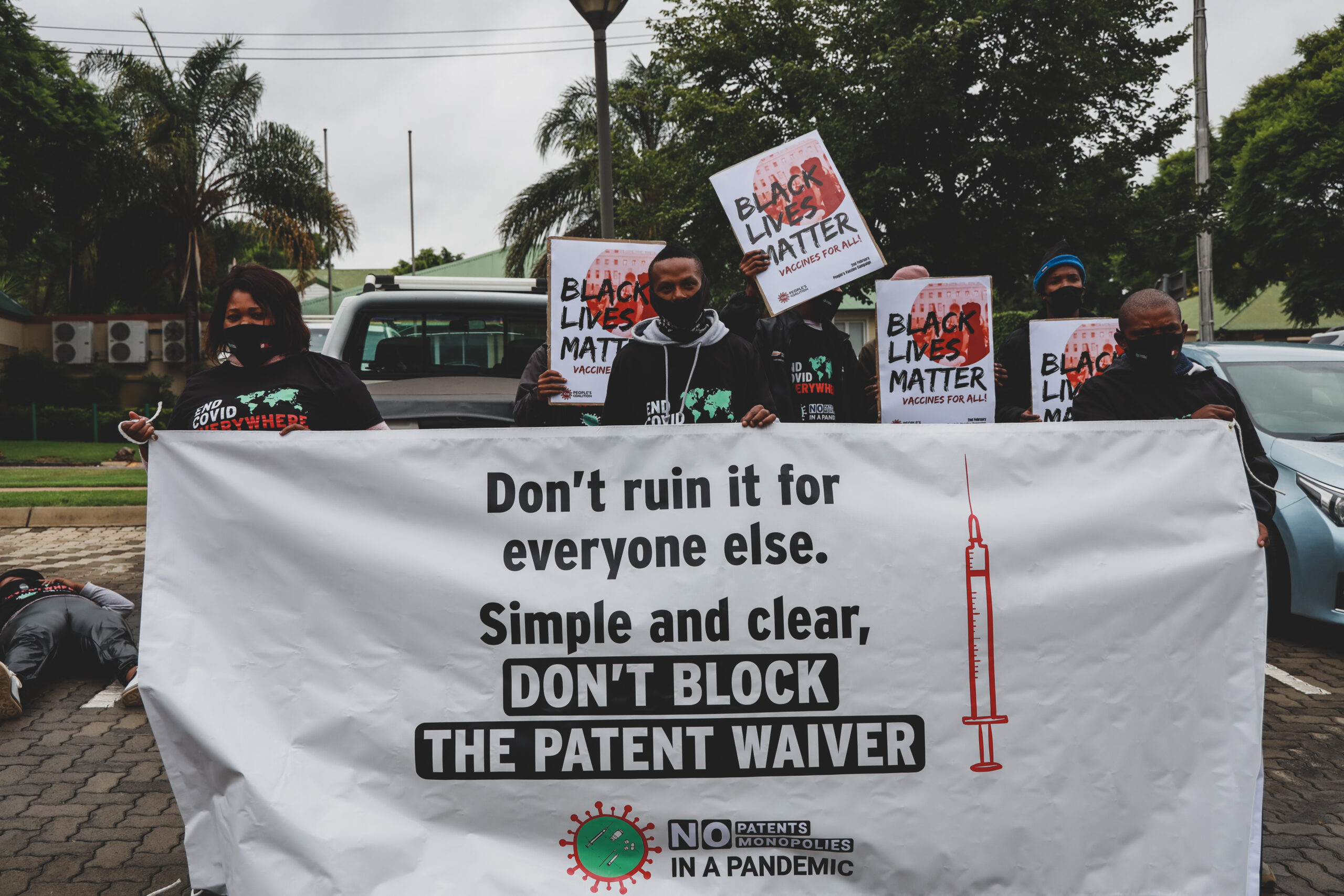
Fix the Patent Laws

In the early 2000s TAC was part of a remarkably effective movement to radically reduce the prices of key HIV treatments. This led to a 96% price drop of 1st line ARVs, achieved through the introduction of generic competition. These changes were largely the result of individual cases of litigation or complaints to the Competition Commission. 

However, today, new generation antiretrovirals and long acting injectables, as well as new medicines to treat cryptococcal meningitis, hepatitis C, drug-resistant TB, and many cancers are unaffordable and out of reach for large numbers of people. We can’t rely on these individual cases of litigation to ensure access to newer medicines. Instead we need a more systematic use of legal safeguards (TRIPS flexibilities) available in international law to improve access to medicines more broadly. While many other countries have used these pro-public health measures, South Africa has yet to amend its patent laws to incorporate them.

In order to put pressure on government to reform our laws, TAC, SECTION27, and Médecins Sans Frontières (MSF) launched the Fix the Patent Laws (FTPL) campaign in November 2011 (on the 10-year anniversary of the Doha Declaration). After nine years of policy development, two different draft policies and various rounds of public consultation, we now finally had an agreed-upon government policy that could guide much-needed law reform. While the finalisation and adoption of a policy was an important milestone, the hard work of developing and passing legislative amendments is still outstanding.

Fix the Patent Laws

Radical reform of the medical R&D system

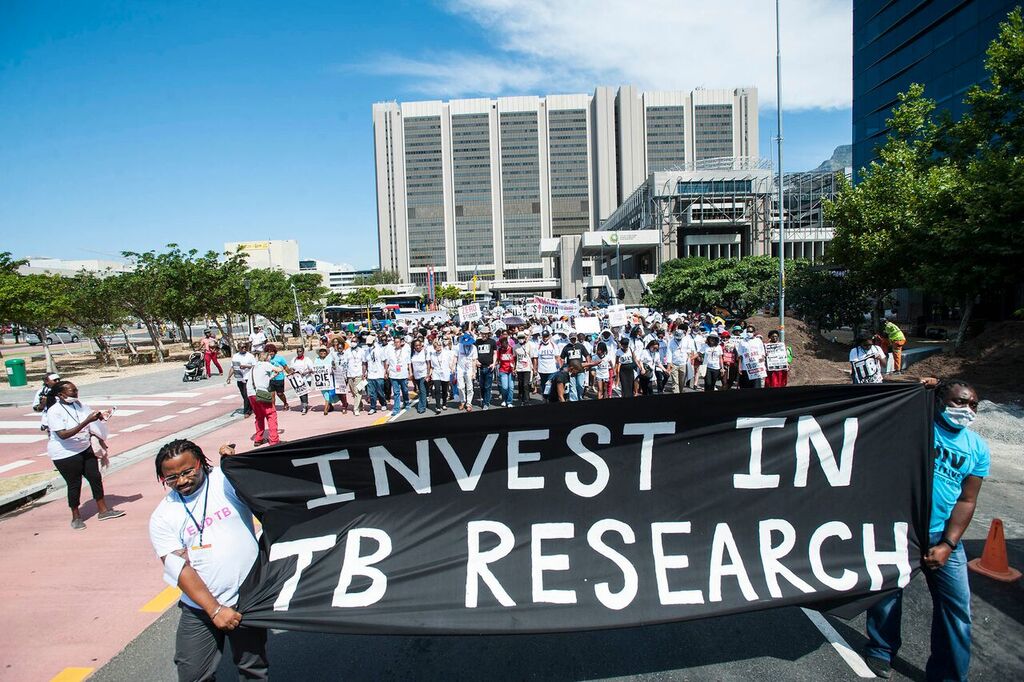
While TB kills around 1.5 million people per year, the entire world only invests around US$0.7bn on TB research every year — this is only a third of the US$2bn that the World Health Organisation estimates is needed.

TB is typical of a wider crisis of underinvestment by both pharmaceutical companies and governments in diseases mainly impacting poor people. TAC will continue to advocate for wider reforms to the medical innovation system that will incentivise more research and development based on global health needs (including new TB medicines and new antibiotics) through initiatives that avoid high prices at the end.

Radical reform of the medical R&D system

Stop Stockouts

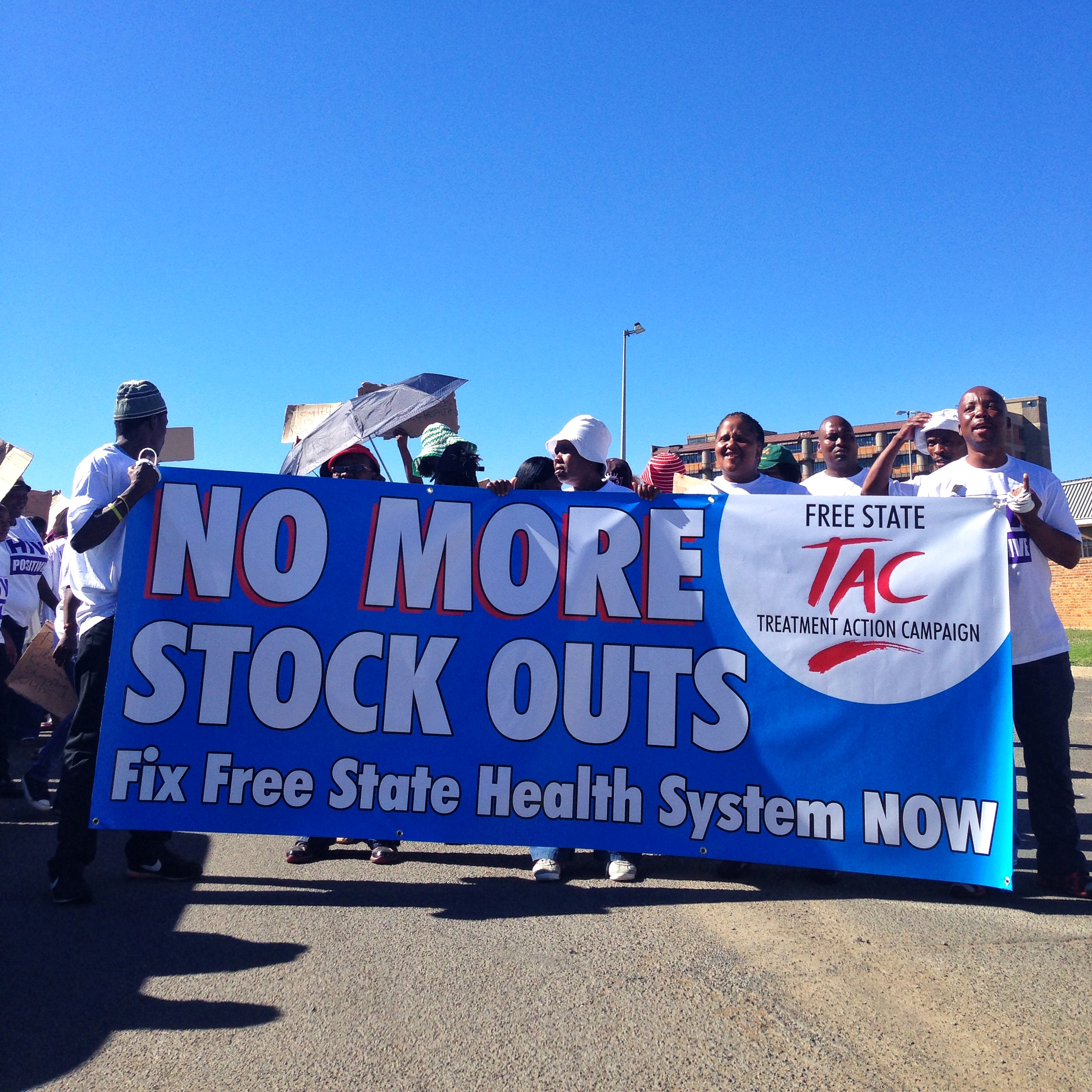
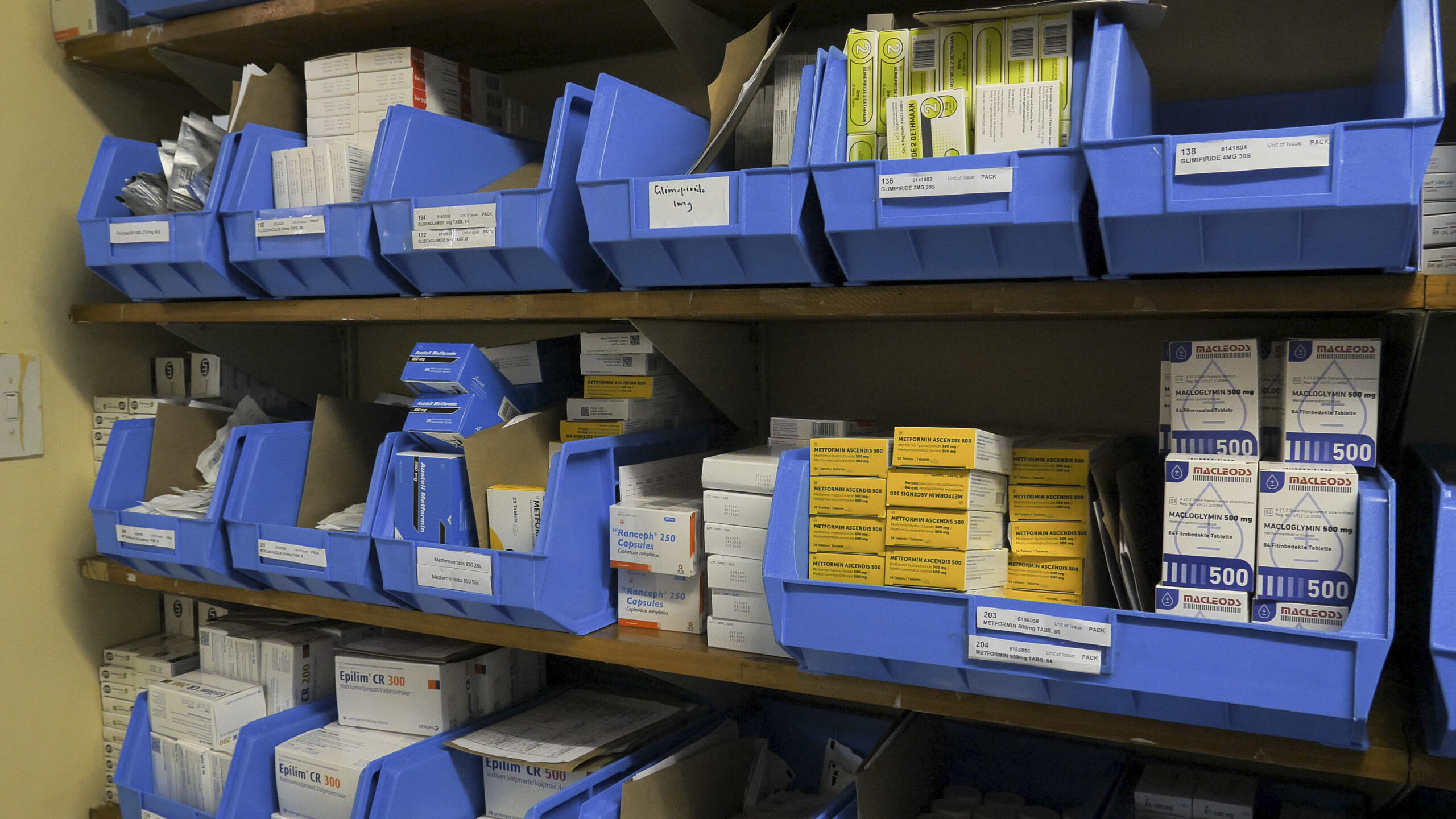
Stockouts and shortages of ARVs, TB medicines, contraceptives, and other medicines and health products cause disruption, confusion, cost, and can detrimentally affect long term treatment adherence. Yet stockouts continue to be a major challenge across the country.

“I get there as early as 7am and leave around 3pm. We get into a long queue, only to be told that they don’t have tablets. I ask for the day off from work to come then have to ask for another day off to do the same thing… They should notify us upon arrival about the unavailability of our tablets, to avoid us wasting time and risking our jobs”

“Our clinic is a disaster. When you get there they tell you that they don’t have your medication” 

“After being consulted, you realise they have a shortage of medication. They tell me that my treatment is incomplete because some of it hasn’t arrived. I don’t know how that is possible”

The Stop Stockouts Project (SSP) was developed to quickly address issues of stockouts. The SSP is a consortium of five civil society organisations that monitors medicine availability in healthcare facilities in South Africa. The SSP engages in ongoing monitoring of stockouts in healthcare facilities. Healthcare workers and public healthcare users are able to report stockouts to the SSP through SMS, phone calls, or a number of other means.

Stop Stockouts

All Access to Affordable Medicines News