TAC marches to government World TB Day to call on Deputy President Mabuza to declare TB a national health emergency!

– TAC calls for TB to be declared a national health emergency and establish Standing Committee on TB in Parliament
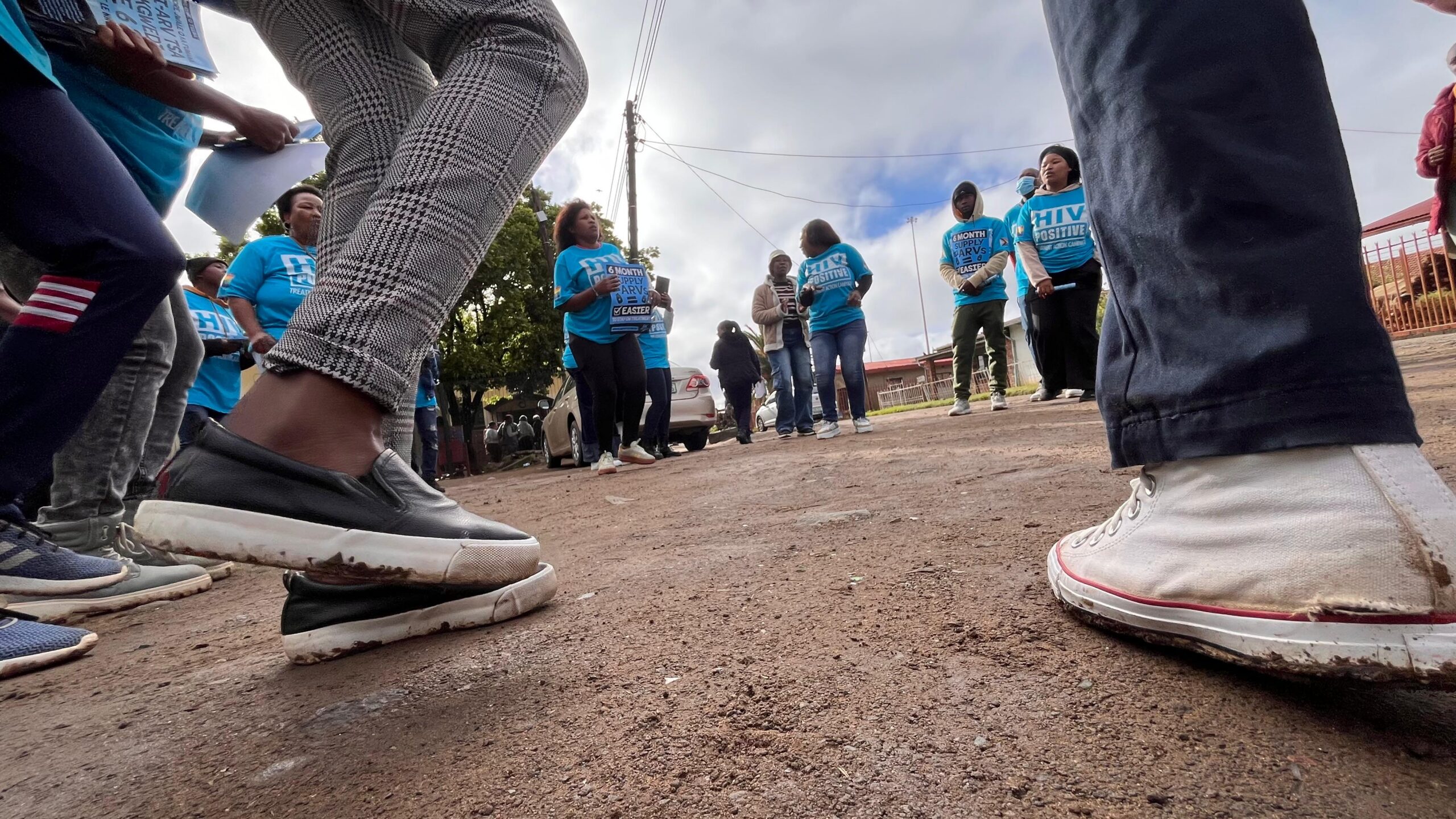
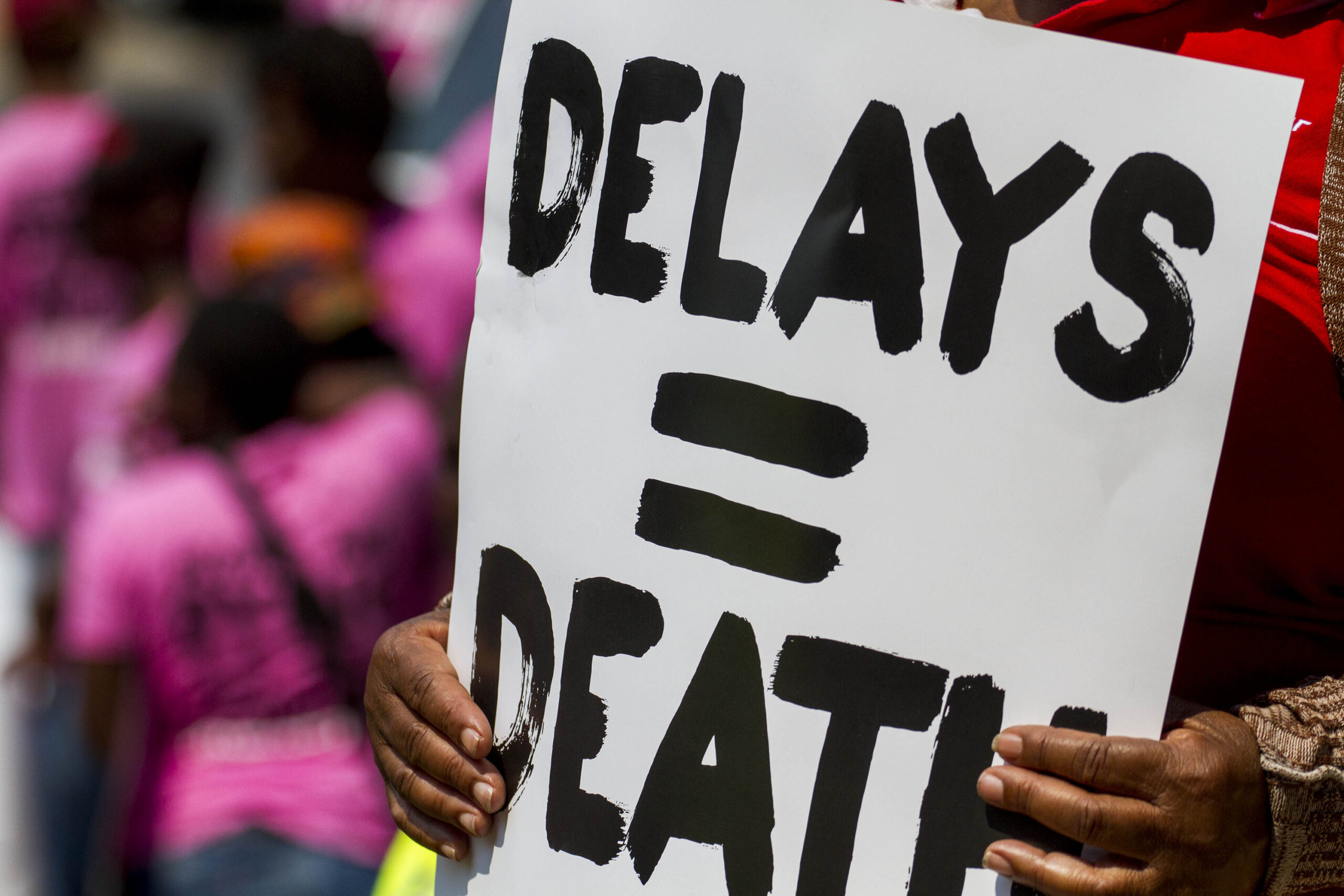
Mbombela, 24 March 2021 – Today the Treatment Action Campaign (TAC) marched to the government’s World TB Day event to call on the Deputy President and Minister of Health to declare TB a national health emergency.
TB is a preventable and treatable bacteria that can be beaten. Yet it remains the leading cause of death in South Africa, killing 58,000 people in 2019. 36,000 of those people were living with HIV. In last year’s Global TB Report, the World Health Organization (WHO) ranked South Africa amongst the 20 countries with the highest TB burden in the world. In the first South African TB Prevalence Survey, total TB incidence was estimated at 390,000.
Early detection remains key to a successful TB response. Yet too many people with TB continue to go undiagnosed. This is complicated, as around 58% of people with TB present without any symptoms, yet even those with TB symptoms are often overlooked by healthcare workers. We have seen what strong political will can do, as all patients are screened for COVID-19 symptoms upon arrival at clinics. Why not the same for TB? Instead, it is estimated that as many as 154,348 people remain undiagnosed with TB in the country, 104,189 living with HIV.
Through Ritshidze — a joint initiative between TAC, NAPWA, SANERELA+, Positive Women’s Network, and the Positive Action Campaign — we found that 75% of the 400 clinics monitored reported not having urine-LAM tests available, while about 1 in 4 staff members had not been trained on TB LAM testing. Further, 1 in 5 health facilities had no access to GeneXpert testing, a rapid molecular test, either at the clinic or by referral.
We call for:
– Everyone to be screened for TB every time they go to the clinic.
– All people living with HIV with signs and symptoms of TB or advanced HIV disease to receive both a urine-LAM test and rapid molecular test.
– Anyone with a cough of any duration and other high-risk groups, including previous TB patients and their household contacts, to be tested for TB,
– We call on the State to set ambitious testing targets and to find and treat those who are not accessing care and stop the spread of TB.
– Digital chest x-rays, urine-LAM, and other diagnostic tools should be used to ensure early diagnosis of preclinical TB in patients.
The call to declare TB a public health emergency comes at a time when lip service has been paid about the importance of treating and ending TB, yet critical funds have been diverted from TB and HIV services. For example, in the 2021 National Budget, an estimated R5.8 billion was diverted over the mid-term (the next three years), despite significant losses in the fight against both pandemics. While the government has a central role to play, we call on all duty bearers, including funding agencies, to prioritise HIV and TB funding in budgeting in order for the state to meet targets.
Additionally, more health workers are needed, particularly those dealing specifically with TB, and more community healthcare workers on the frontline of the TB response. We know that our clinics are understaffed and overcrowded. Almost 80% of patients interviewed through Ritshidze told us that they must wait in long queues to access healthcare services. We know that overstretched healthcare workers can become stressed and have little time for patients. Poor staff attitudes remain a major barrier to patients’ access to healthcare. Less than half (46.6%) of patients surveyed through Ritshidze felt that health facility staff were friendly and professional.
TB infection control at clinics is also critical. Six simple interventions are at the heart of how clinics can be part of turning the tide on TB infection. By following a checklist of good practice, clinics can be safer for patients and staff. Yet very few clinics are actually following the checklist. Through Ritshidze we found that around 40% of clinics followed about half of the best practice measures, leaving just under 60% failing altogether. Only two clinics succeeded in protecting patients and staff from getting TB at the clinic.
For years we have been calling for this checklist of good practice to be adopted. We know it is possible. We have been able to educate people about COVID-19 infection control, to ensure the use of masks in clinics, to screen people for COVID-19 symptoms, to ensure the provision of COVID-19 posters in all South African languages, so these things must be possible for TB as well. The only thing lacking is political will. We call on government and funding agencies to ensure that all best practice TB infection control measures are adhered to in all clinics and other public buildings.
Read the full memorandum here: https://www.tac.org.za/wp-content/uploads/2024/04/Memorandum_-Treatment-Action-Campaign-calls-for-TB-to-be-declared-a-national-health-emergency.pdf