BUILD LOCAL ACTIVISM & ENGAGEMENT

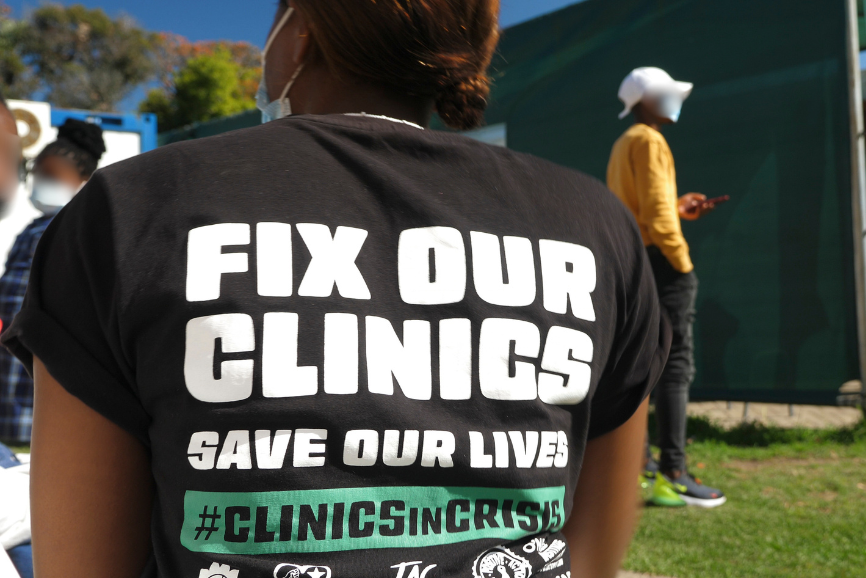
TAC represents users of the public healthcare system in South Africa, including people living with HIV and TB, women, young people, people who use drugs, sex workers, LGBTQIA+ community members, migrants, and people with disabilities. We campaign on critical issues related to the quality of and access to healthcare. We currently have around 10,000 members and a network of 285 branches in 8 provinces in South Africa.

Members elect the leadership of TAC, which ensures accountability and that our policies reflect the realities on the ground. Members receive basic training in the science of HIV, TB, and related conditions, and about their rights in the healthcare system. Through our branches and members, we monitor hundreds of clinics and hospitals. Our members are the people who need the public health system to work, so they are the first to notice when it doesn’t. The local activism of our members is the true life-blood of TAC. By organising locally, our members demand accountability and quality healthcare services where the services are actually delivered.

AIDS Councils

South Africa has a National AIDS Council (SANAC), provincial AIDS Councils (PACs or PCAs), District AIDS Councils (DACs), and Ward AIDS Councils.

These AIDS councils give civil society a way to have a say in South Africa’s AIDS response. TAC works at all levels (from ward to national) to ensure that AIDS Councils are functional and responsive to the realities we face in our communities.

AIDS Councils

Community-led monitoring (Global)

TAC is a member of the Community-Led Accountability Working Group (CLAW) that supports communities across the global South to build high impact community-led monitoring systems. CLAW was formally established in 2020, comprising ten members working across 20 countries.

CLAW works side by side people living with HIV and members of key populations to build community-led monitoring systems that reflect the priorities that matter most to communities on the frontlines. Our approach is an alliance centred in solidarity, a shared willingness to learn and take risks together, South-South skill exchange and ongoing, collaborative approaches.

Community-led monitoring (Global)

District Campaign Teams

District Campaign Teams bring together branch leaders, staff, and comrades from partner organisations in order to identify challenges in the district and inform a mandate in district accountability.

District Campaign Teams use knowledge from branches, including community-led monitoring data, to highlight performance challenges and to find solutions to those problems in order to inform engagement with district level duty bearers and district accountability structures.

District Campaign Teams

Mass movement

The local activism of our members is the true life-blood of TAC. By organising locally, our members demand accountability and quality healthcare services where the services are actually delivered.

Members are supported with the knowledge, skills, and resources to implement community-led monitoring and local campaigns, and understand the latest in science, treatment literacy, health policies, relevant laws, and the overall state of the HIV and TB response and broader healthcare system. In our 25th year, we remain committed to building stronger and more vocal branches, better able to fight for justice for all. If you are interested in joining, you can find a branch near you here.

Mass movement

Ritshidze

Over the past decade, South Africa’s HIV response has come a long way — from the dark days of AIDS denialism under then President Thabo Mbeki, to the establishment of the world’s largest treatment programme. However, this achievement only reflects half of the story. The full picture of South Africa also reveals that more than 2.7 million people living with HIV are still not on lifesaving HIV treatment – either never having known their HIV status, never started treatment, or more worryingly having started on treatment and then stopped. This can be directly linked back to the crisis in our clinics.

In response to this crisis, in 2019, TAC led the establishment of Ritshidze – that is now the largest community-led monitoring system in the world. Ritshidze gives communities the tools and techniques to monitor the quality of health services provided at clinics. At its peak, Ritshidze was gathering evidence at more than 550 clinics across eight provinces in the country. Ritshidze gives us the data to back up the stories we all know about. It is led by those of us whose lives and health depends on public clinics and hospitals – with an aim to improve overall health service delivery, including HIV and TB services, and services for members of key populations.

“We are not making a flippant statement or trying to cry wolf, but we have a crisis in our health system which will have a devastating impact if not addressed. Recognising this crisis, together with other organisations representing people living with HIV, we started “Ritshidze” to monitor the quality of public health services in our highest HIV-burden clinics and advocate together for the changes needed. Together, we will play our part in bringing to light the reasons so many people are falling out of HIV treatment in the country and why so many in our communities never enter care in the first place” 

Interviews and surveys are conducted with public healthcare users, people living with HIV, people who use drugs, sex workers, and the LGBTQIA+ community, as well as with facility staff like facility managers and pharmacists. The issues tracked range from waiting times, staff shortages, and infrastructure, to the friendliness of staff and denial of care, to how easy it is to collect ARVs and how well staff explain viral load test results.

This maturing programme, that uses systematic collection of data at clinic level, is an important tool to identify problems as people in our communities experience them. With the data we can better analyse problems, identify trends and patterns, and from this, be able to push for appropriate solutions. It gives us vital information and insights that guide our advocacy. 

Along with the collection of quantitative data, Ritshidze collects people’s stories, and records these as audio-visual and written accounts. Recording our community members’ stories means they stand as first-hand accounts and are also an important way to give people an opportunity to be heard. 

Ritshidze places a strong emphasis on engaging duty bearers, bringing this information to the attention of those in power, and holding them accountable for acting on it. After each round of monitoring, the teams feedback to facility staff and health department officials at district, provincial, and national levels, as well as PEPFAR agencies and district support partners. 

Community accountability meetings are also held that provide space for the community to address government officials. This is an opportunity for communities to talk directly to those in power, telling their personal stories of the challenges they face. There is no room for duty bearers to deny that changes are needed. This is not just data, but accountability to communities. 

Find out more: www.ritshidze.org.za

Ritshidze

TAC sectors

TAC has five sectors — people living with HIV, womxn, key populations, youth, and men. TAC sectors use community-led monitoring data to inform engagement with duty bearers and activism relevant to the sector.

They ensure that this work is communicated and cascaded to all structures of the organisation. They are visible at all levels — including branch, provincial and national. TAC sends well informed sector leaders to represent us in AIDS Councils with a clear mandate and set of advocacy demands based on community-led monitoring data.

TAC sectors

Treatment Literacy Saves Lives!

Since the early days, TAC has been committed to teaching the science and treatment of HIV, going door to door, person to person. It became one of our strongest tools in mobilising the masses to demand treatment. The programme was highly political and created a cadre of knowledgeable activists who could publicly challenge the misinformation spread during denialism. 

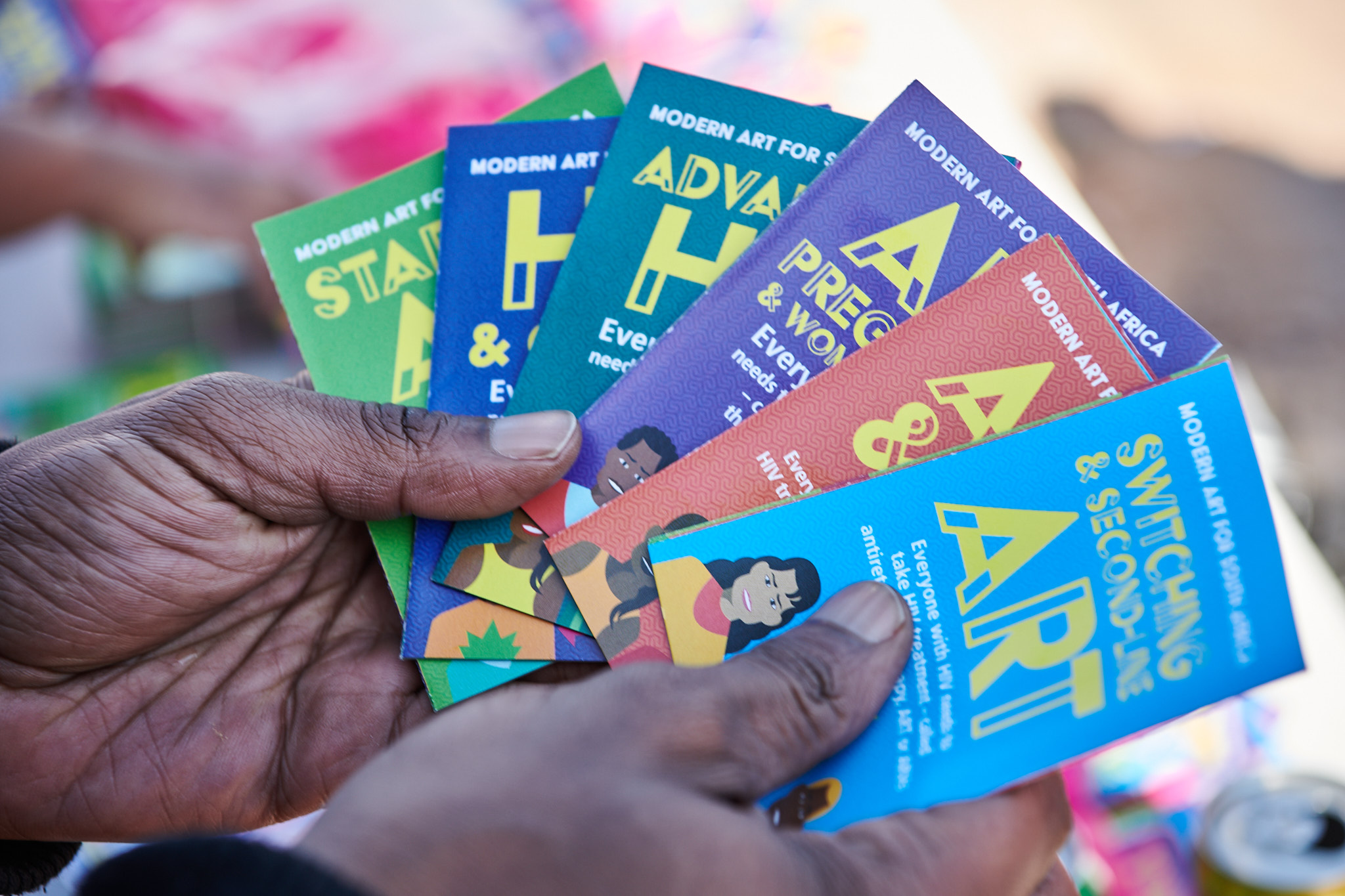
Today, TAC’s flagship treatment literacy programme remains key to our model of highly informed grassroots activism. In addition to the traditional approach of training, door to door engagement, and social mobilisation campaigns, we have also long been in need of finding smarter ways to get people’s attention in a world of many distractions and one where people remain glued to their devices. This is what has been behind the 2021 development of the “Modern ART for South Africa” app and website.  

TAC together with HIV i-Base created the free to download app as a way for people living with HIV to access the latest information about their treatment. The app includes useful tools to track and manage someone’s care and has tools to track adherence, CD4 counts, and viral load, as well as pill counters, reminders, and calendars to help someone stay on top of their personal treatment regime. By modernising we can ensure that there are as many ways as possible that people can access information, get questions answered, and take more control of HIV in their lives. 

TAC also campaigns to ensure that all clinics explain the results of people’s viral load tests and help them understand the importance of taking treatment effectively. Too often people living with HIV are not given any information at our clinics. Treatment literacy and explaining people’s results remains fundamental to helping people stay on treatment. 

Modern ART for South Africa — created by TAC and HIV i-base — is modernising this approach. Through a combination of tools, including a mobile app, Modern ART for South Africa ensures that people living with HIV have access to the latest information about ART and useful tools to help manage HIV treatment and health.

Treatment Literacy Saves Lives!

All Building Local Activism & Engagement News

no-health-without-mental-health-let-us-march
Activism No health without mental health: Let Us March!
Johannesburg, 21 January 2018 – Former Gauteng MEC for Health, Qedani Mahlangu, will begin testifying at the Life Esidimeni arbitration hearings tomorrow, 22 January 2018. The Treatment Action Campaign (TAC) supports the continuation of the arbitration hearings and the quest for truth, justice and accountability. As part of our campaign to strengthen the South African […]
Read more